How to Stay Flexible as You Grow Older
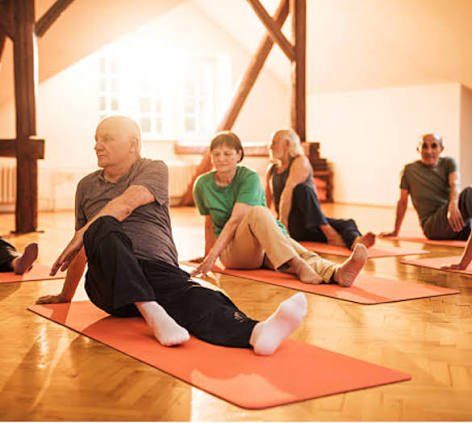
Flexibility can naturally decline with age, making everyday movements such as bending down, reaching overhead, turning around, or getting dressed more difficult. Stiffness can also affect exercise, balance, and overall mobility, which is why maintaining flexibility is an important part of healthy aging.
Fortunately, you do not need an elaborate workout routine to maintain or improve your flexibility. Regular stretching, movement throughout the day, strength training, and activities that take your joints through a comfortable range of motion can all help. The key is consistency and choosing exercises appropriate for your current fitness and mobility level.
Make Stretching Part of Your Routine
Stretching can help you maintain your range of motion and reduce the feeling of stiffness that can come from sitting or remaining in one position for extended periods. Try incorporating a few stretches into your daily routine rather than treating flexibility as something you only work on during an exercise routine. For example, you might stretch your calves and hamstrings after a walk, gently rotate your shoulders while getting ready in the morning, or perform hip stretches after sitting for a long time.
For most stretches, you should slowly move into a position where you feel mild tension, but not pain. Hold the position for a comfortable amount of time and breathe normally. Flexibility generally improves gradually, so forcing a stretch is unlikely to provide better results and could increase your risk of injury.
Warm up Before Stretching More Deeply
Your muscles and joints may respond better to stretching when your body is already warm. Spend a few minutes moving before attempting deep stretches after sitting for several hours. A short walk, marching in place, or gentle movements of the arms and legs can help prepare your body for exercise. You can then perform dynamic movements, such as walking lunges or arm circles, before a workout.
More sustained, static stretches are often better suited to the end of a workout or another time when your muscles are warm. This approach can make stretching more comfortable while allowing you to gradually work on your range of motion.
Keep Moving Throughout the Day
While a dedicated stretching session can help, staying flexible also means avoiding long periods of inactivity. Spending hours sitting can contribute to stiffness, particularly around your hips, back, and shoulders. Look for opportunities to move throughout the day. Get up periodically if you have been sitting, take short walks, use the stairs when appropriate, or perform a few gentle mobility movements between activities.
You can also incorporate movement into your existing routine. Walk around while talking on the phone, perform a few shoulder movements after working at your desk, or take a brief walk after a meal. The goal is to regularly move your body rather than remaining in the same position for long stretches of time.
Add Strength Training to Your Routine
While strength training may not seem directly related to flexibility, maintaining muscle strength can support mobility and help you to move confidently through a comfortable range of motion. "We know that increasing strength helps with balance," says Anthony Wall, a director of education at the American Council on Exercise. "Maintaining flexibility helps people with aerobic exercise, and so on."
Exercises such as squats, lunges, rows, and overhead presses can strengthen the muscles involved in everyday movement. Bodyweight exercises, resistance bands, and light weights can all be useful options, depending on your fitness level and goals.
Strength exercises should be performed with controlled movements and appropriate technique. Rather than focusing on how much weight you can lift, pay attention to whether you can move comfortably and maintain good form. Combining strength training with mobility work can provide a more well-rounded approach to staying active as you age.
Try Activities That Promote Mobility
Certain activities naturally encourage you to move your body in different directions and through different ranges of motion. Yoga and tai chi are two examples that can incorporate stretching, balance, controlled movement, and body awareness. Swimming can also provide gentle movement for people who find some weight-bearing activities uncomfortable.
Although walking is also an excellent foundation for an active lifestyle, it does not address every aspect of flexibility. Combining walking with stretching, strength exercises, or mobility work can help you address different aspects of physical fitness.
Choose activities that you enjoy and can consistently perform. A simple routine that you maintain is more useful than an ambitious program that you abandon after a few weeks.
Listen to Your Body and Progress Gradually
Flexibility is highly individual, and there is no single standard for which older adults should strive. Your previous activity level, injuries, joint health, strength, and other factors can all affect how easily you move. Stretching should not cause sharp, severe, or worsening pain. If a particular movement consistently causes discomfort, stop and consider whether the exercise needs to be modified.
It is also worth speaking with a healthcare professional or qualified physical therapist if stiffness significantly limits your daily activities, develops suddenly, or is accompanied by pain, swelling, weakness, or other concerning symptoms. Most importantly, give yourself time. Improving flexibility is not about forcing your body into positions that it cannot comfortably reach. Regular movement and gradual stretching can help you preserve mobility and make it easier to keep doing the activities you enjoy as you get older.